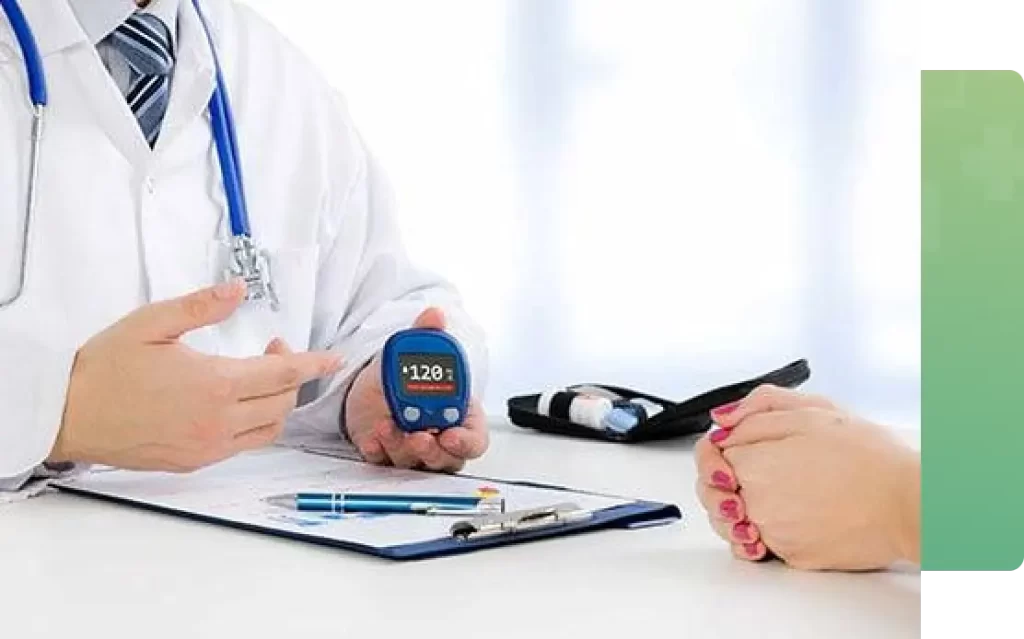
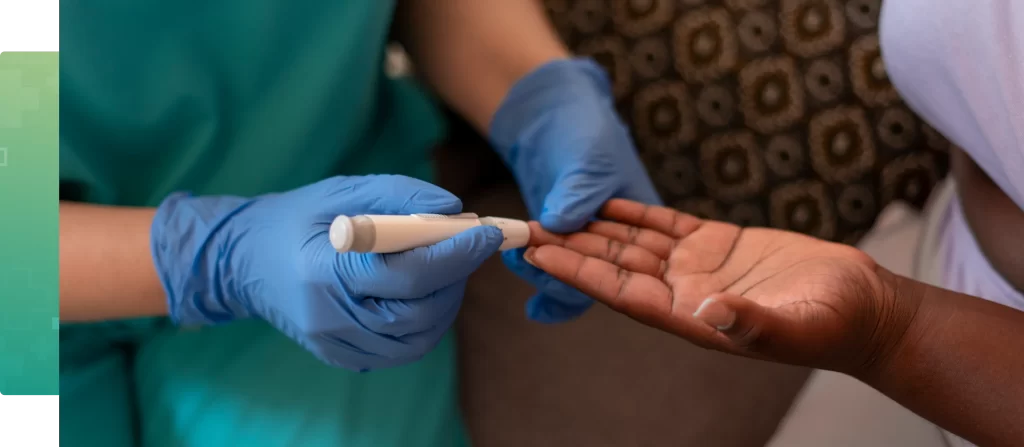
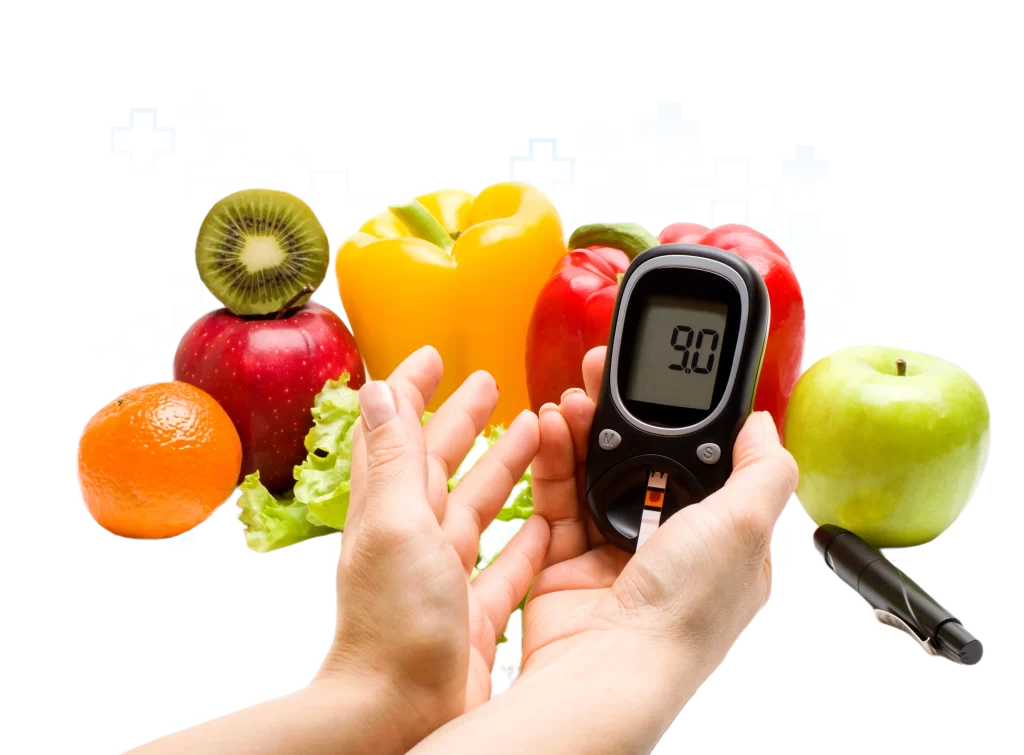
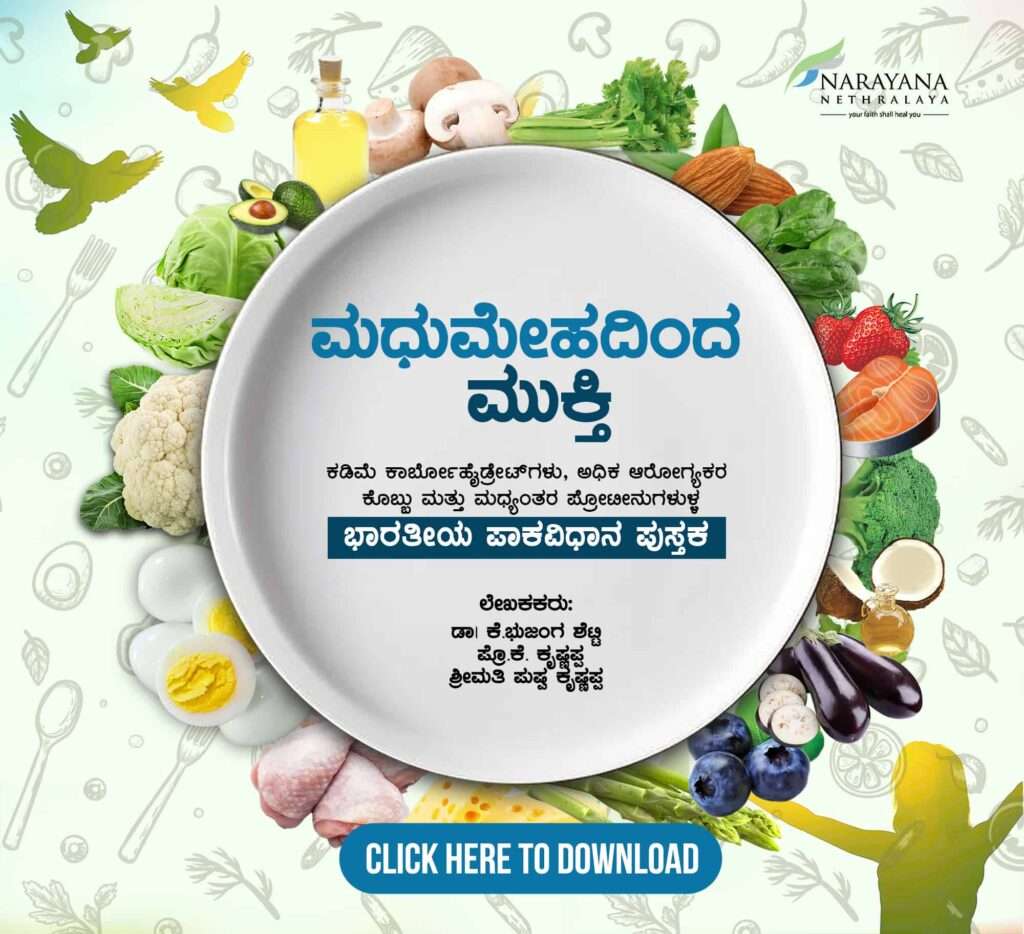
Type-2 diabetes is a chronic disease that usually affects people in their mid-life. However, drastic changes in dietary and lifestyle modifications have led to an alarming rise in diabetes in people of all ages. Since it is a problem that affects the blood, diabetes can negatively impact all the organs in the body such as the eyes, heart, kidneys, hands, and legs, and lead to various health complications.
At Narayana Nethralaya’s Reversing Diabetes Clinic, a team of 15 specialists which includes Ophthalmologists, Retina specialists, General Physicians, and Dieticians will work together to provide comprehensive care to patients to help them reach the goal of diabetes reversal and remission. The team will also provide highly personalised care and treatment for diabetic eye diseases, help people effectively manage their condition over time, and provide advice to prevent the recurrence of type-2 diabetes and safeguard their future health.
Yes, it is suitable. You will need to make modifications to your routine and get adapted to it. You will see good results if you follow to the suggested plan.
Yes, these are the two of the main benefits of this diet. There will be a reduced dependence on medication, improvements in insulin sensitivity, lower blood pressure and improvement in cholesterol levels, besides others. If you are on medication, you will need to speak to our doctor, who will be able to advise you on what precautions to take to reduce the risk of hypoglycaemia occurring.
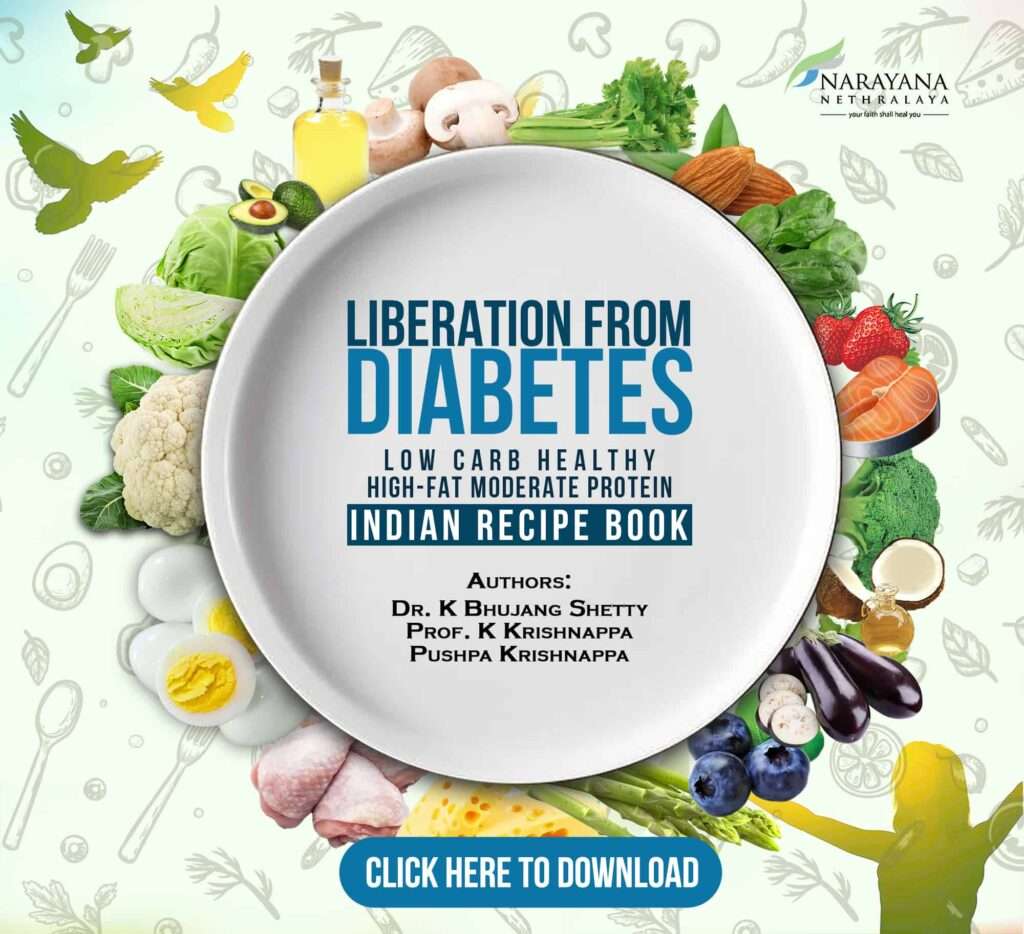
This is a very-low carb, moderate protein and high healthy fat diet. It typically contains 70 to 75 per cent fat, 20 per
cent protein, and about 5 to 10 per cent carbs.
In terms of grams per day, it would be:
• 20-50g of carbohydrate
• 60-80g of protein
• No set limit for good fat
Fats in the diet provide the majority of calories and no limit is set as energy requirements can vary significantly from person to person. Good intake of non-starchy vegetables, as these are very low in carbohydrate, is preferred.
Any food that is high in carbs should be limited
• Grains or starches: rice, wheat, cereals
• Fruit: most fruits except small portions of berries
• Root vegetables: potatoes, sweet potatoes
• Sugary foods: soda, fruit juice, smoothies, cake, ice cream, chocolates
• Unhealthy fats: processed vegetable oils, mayonnaise
• Sugar-free diet foods: sugar-free candies, sweeteners, desserts
You should base the majority of your meals around these foods:
• Meat: chicken, red meat, beef, pork
• Fatty fish: salmon, trout, tuna, and mackerel
• Eggs: pastured or omega-3 whole eggs
• Butter and cream: grass-fed butter and heavy cream
• Cheese: unprocessed cheeses like cheddar, goat, cream, blue, or mozzarella
• Nuts and seeds: almonds, walnuts, flaxseeds, pumpkin seeds, chia seeds
• Avocados: whole avocados or freshly made guacamole
• Healthy oils: extra virgin olive oil, coconut oil, and avocado oil
• Low carb veggies: green veggies, tomatoes, onions, capsicum
With a low carb diet, your body will need to transition from burning glucose to using your body’s fat as fuel. It will take a few days or weeks to get used to it. You may experience some gastrointestinal symptoms of carbohydrate withdrawal at first, but once you become fat-adapted, it will be much easier.
Your body has always relied on glucose as its primary source of energy. Therefore, when you cut or reduce carbohydrates drastically, the body’s metabolism has to resort to burning fat for energy. This period of adaptation, which can take up to 4 weeks, can causes symptoms similar to flu like mild weakness or lack of energy. Changes in bowel habits, leg cramps and bad breath are other symptoms. This state is temporary and keeping yourself well hydrated should help.
No, a low carb-healthy fat diet can be eaten to satiety.
You may need to reduce your workout intensity or not engage in anything that demands a lot of glucose while
you try to get fat-adapted. Carb re-feed days can be helpful for active people who might need carbs around the time of their workout.
Yes, you can. It is a very useful tool to boost fat burning. However, you should get keto-adapted first before
attempting it.
Although it can be challenging, the below measures can make it easier
• Look at food labels and check the grams of fat, carbs, and fiber to determine how if they can fit into your diet.
• Plan out your meals in advance
• Many websites, food blogs, apps, and cookbooks also offer recipes and meal ideas that you can use to build
your own custom menu
• Some meal delivery services even offer keto-friendly options for a quick and convenient way to enjoy keto
meals at home.
• When going to social gatherings or visiting family and friends, you can consider taking your own food,
which can make it much easier to curb cravings and stick to your meal plan.
#121/C Chord Road, 1st ‘R’ Block, Rajaji Nagar, Bangalore -560 010 – India.
# 258/A, Bommasandra, Hosur Road, Bangalore – 560 099 – INDIA.
#1/1, 1st Main Road, Defence Colony, 100ft Road, Indiranagar, Bangalore – 560038
No.63, Next to Royal Meenakshi Mall, Bannerghatta Rd, Hulimavu, Bengaluru, Karnataka 560076
Click to Open in Google Maps
Copyright ©2024. Narayana Nethralaya.
Designed and Maintained by | KavinTech Corporation