Narayana Nethralaya is one of the leading eye hospitals in the country and has been at the forefront of providing world class superspeciality eye care for various corneal conditions. Our team of highly trained expert corneal surgeons, state of the art diagnostic equipment and the best in operation theatres make it one of the best places to plan your eye treatment. Most importantly is the ethos which runs through every employee and staff of Narayana Nethralaya which makes us strive towards excellent patient care – our patients are at the centre of everything we do.
We offer all the different kinds of corneal transplantation services for a variety of conditions. As we are a tertiary care centre and a referral centre for patients from around the country, our doctors are trained to handle even the most advanced of cases needing specialized management.
Narayana Nethralaya is a tertiary care centre for complex trauma cases which aims at uninterrupted emergency services 24*7, catering to all strata of patients while providing best quality medical care.Our hospital has 24 hour in house doctor and other paramedical staff to provide prompt primary measures for the following injuries
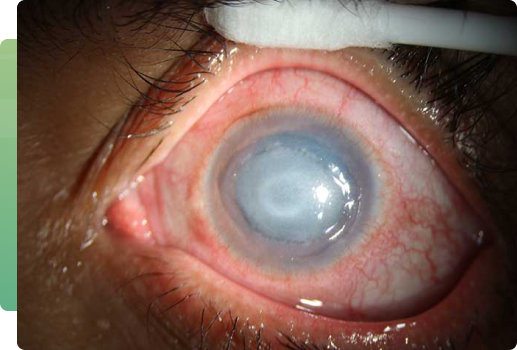
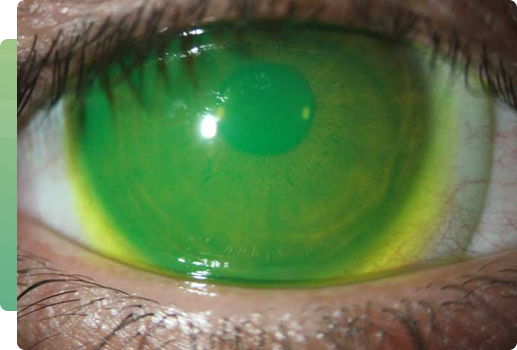
Eye infections need to be addressed immediately in a systematic and meticulous way to prevent long standing sequelae in the form of ocular surface disturbances and visual complications. We have expertise in providing accurate diagnosis with effective management of corneal ulcers , infectious conjunctivitis and other eye infections. Our Hospital is equipped with state of the art NABH Accredited Microbiology lab which helps in aiding the diagnosis.
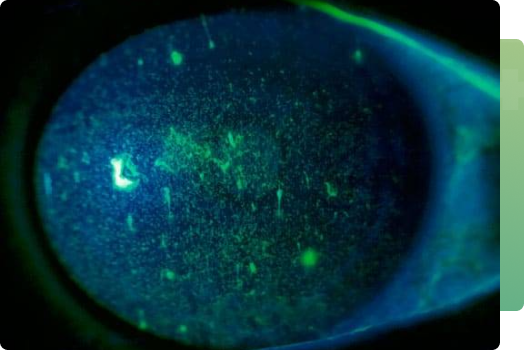
Dry eye, an emerging silent pandemic, is a condition associated with limited production or rapid evaporation of tears which requires timely management so as to avoid irreversible surface changes and visual disturbances. Narayana Nethralaya has been running a specialized dry eye clinic for many years which is equipped with the latest in diagnostic and treatment options. This helps us assess the impact of dry eye on every aspect of the patient’s daily life and customize treatment options to their requirement.
Contact lenses can play different roles in a patient’s eye and can be highly beneficial not only for improving the vision but also in certain non cosmetic indications. Highly specialised services providing one stop solution to various kinds of corneal irregularities, improving field of vision and cosmetic appearance. After careful assessment of ocular surface and eligibility, expert opinion on providing the right contact lens and its care, usability and maintenance with supervised guidance, thus increasing performance in day to day activities. We specialise in
Irregular ocular surface occurring secondary to adverse reactions to medications , ocular injury due to acid / alkalies (chemical substances ) or other conditions in which the cornea and conjunctiva are badly scarred and lose their normal architecture is rehabilitated to restore a relatively normal ocular surface by various advanced procedures which are performed by skilled surgeons at Narayana Nethralaya Eye Hospital.
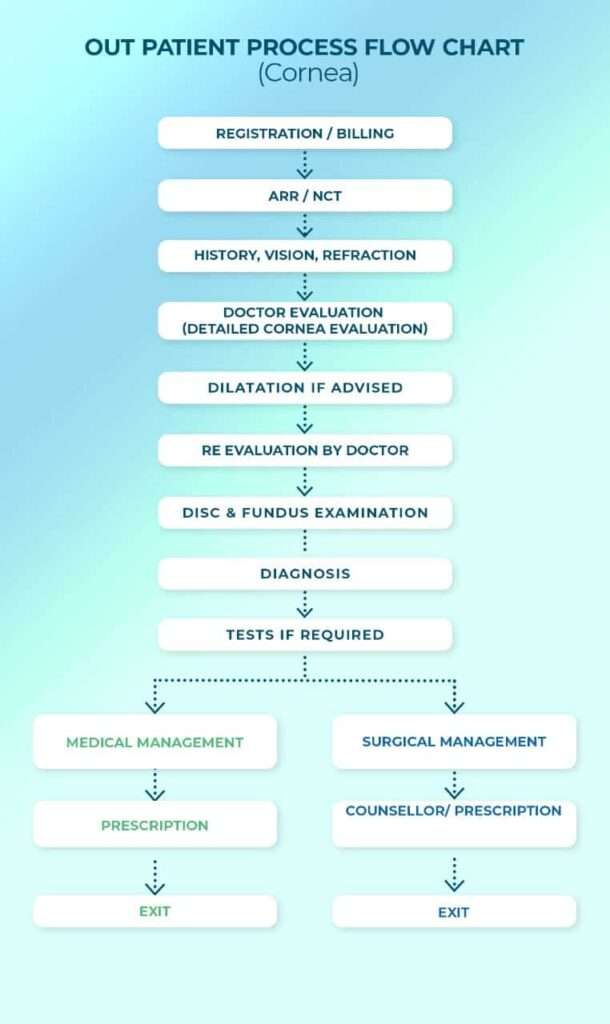
If you have an eye infection, corneal ulcers/ scars/ opacity, corneal tear secondary to road accidents and other injuries, chemical injuries to the eye or firecracker injuries, you should schedule an appointment with an ophthalmologist to get your eyes checked immediately. Your initial consultation with the doctor will approximately take 2 hours if you do not require cross-consultation and up to 4 hours if you require cross-consultation. During your consultation, our doctors and counsellors will determine the best course of action for your visual needs, go over the risks and benefits of treatment, and help you choose the best procedure that is suitable for preserving/improving your vision. We suggest you bring a family member or friend with you to help you with your decision-making.
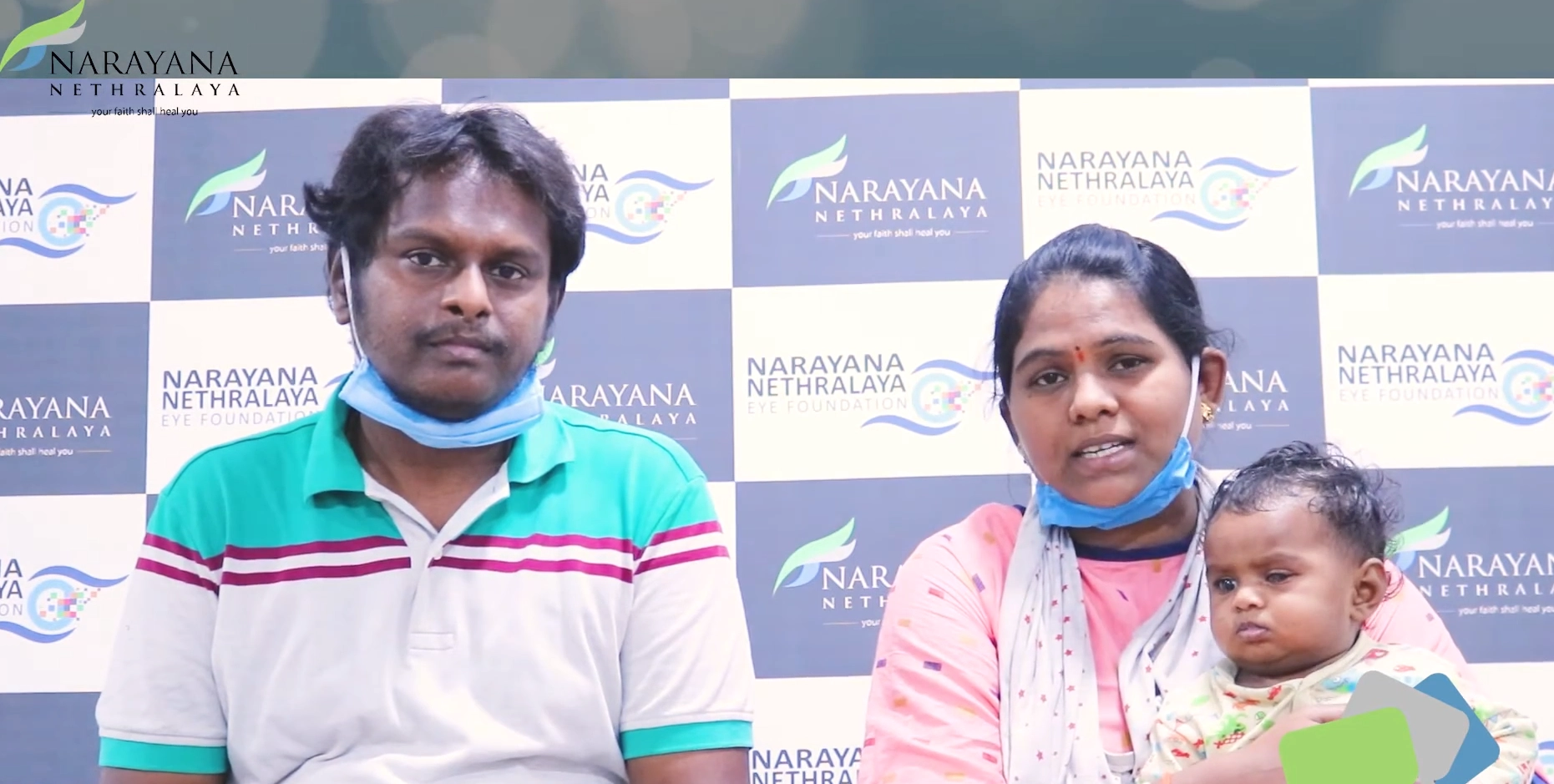
At Narayana Nethralaya, we are committed to providing our patients with advanced quality eye care at affordable prices. These eye surgery experiences stand testimony to the excellence in eye care that we offer.
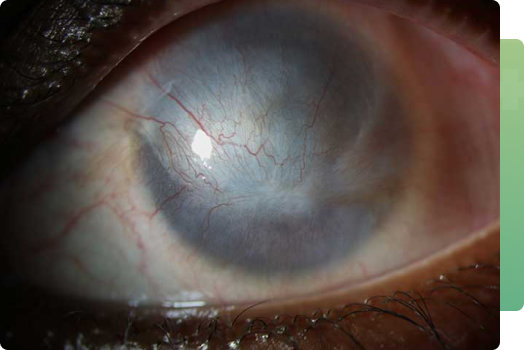
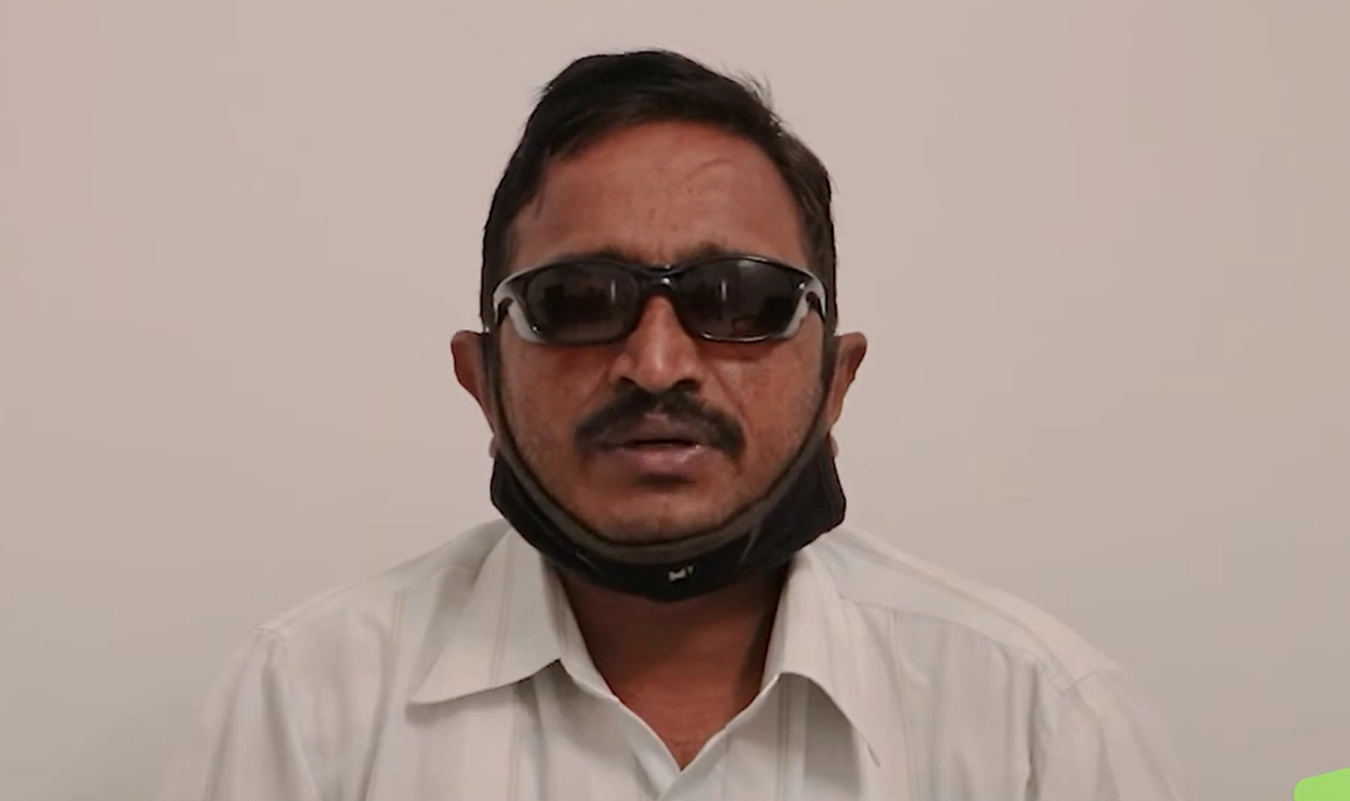
A 57 year old farmer came to us with a history to injury to Right eye with a vegetative matter 1 month back, followed by redness, watering and pain in the right eye since then. He gave a history of consultation at a local hospital 20 days back following which he was started on a few eye drops. There was no improvement in symptoms following the usage of the drops, rather the pain and redness seemed to be worsening. On evaluation, he was found to have a large centre involving corneal ulcer with infiltrations. His vision was noted to be just appreciating Hand movements. He underwent a Right eye Full thickness Corneal transplantation to remove the infection. Few weeks after surgery, patient is comfortable and asymptomatic, and is able to return back to his normal daily routine after being advised of the precautionary measures to be taken.
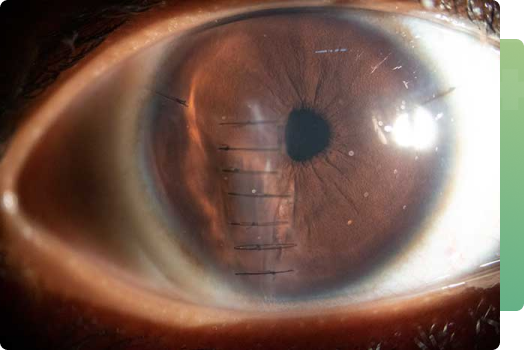
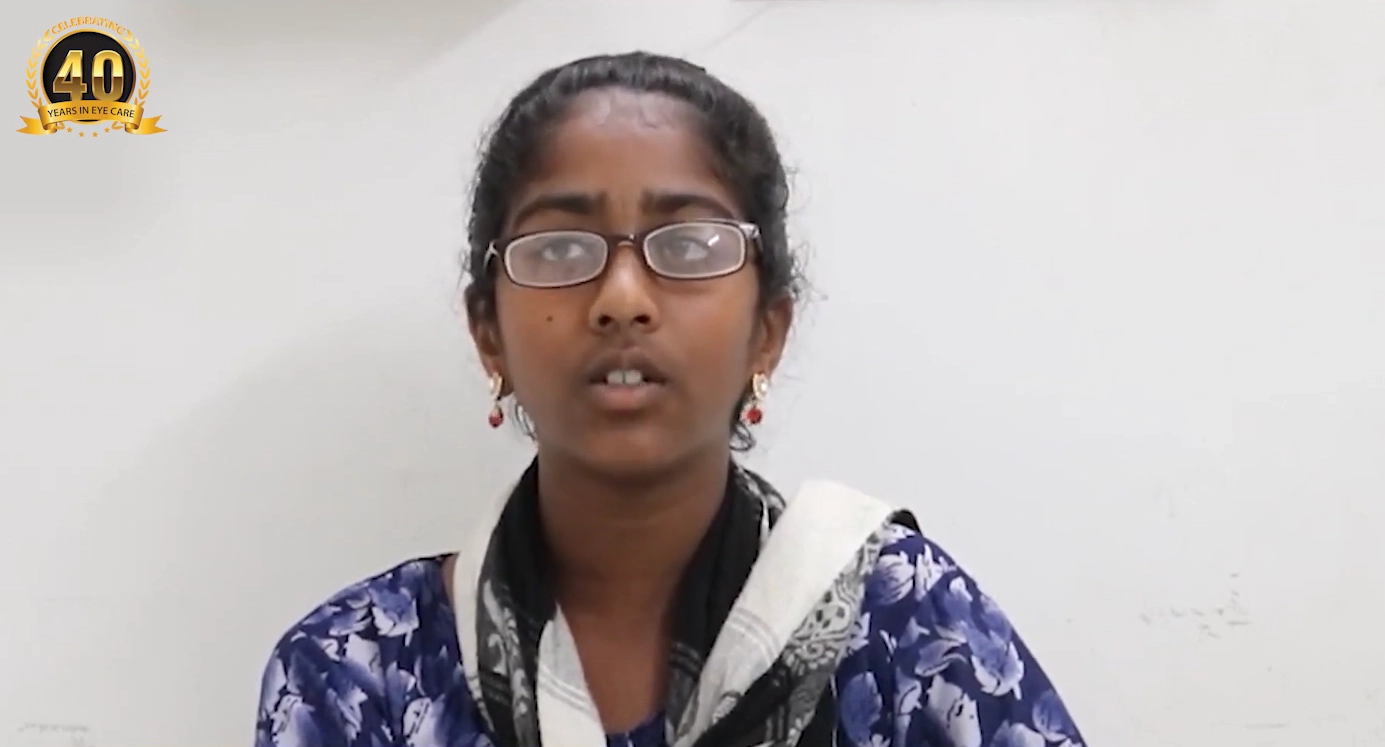
A 6 year old child came to our Emergency Department with an alleged history of injury to left eye while playing with a wooden stick. Parents gave a history of pain, bleeding and blurring of vision in left eye since then. Child was evaluated to have a vision of just appreciating Hand movements. On slit lamp examination, he was found to have a full thickness corneal cut. He was taken up for emergency cornea tear repair under General anesthesia. His vision recovered to 6/12 on follow up. Today, child is comfortable and on routine follow up. He is now back to school and is able to resume his daily activities.
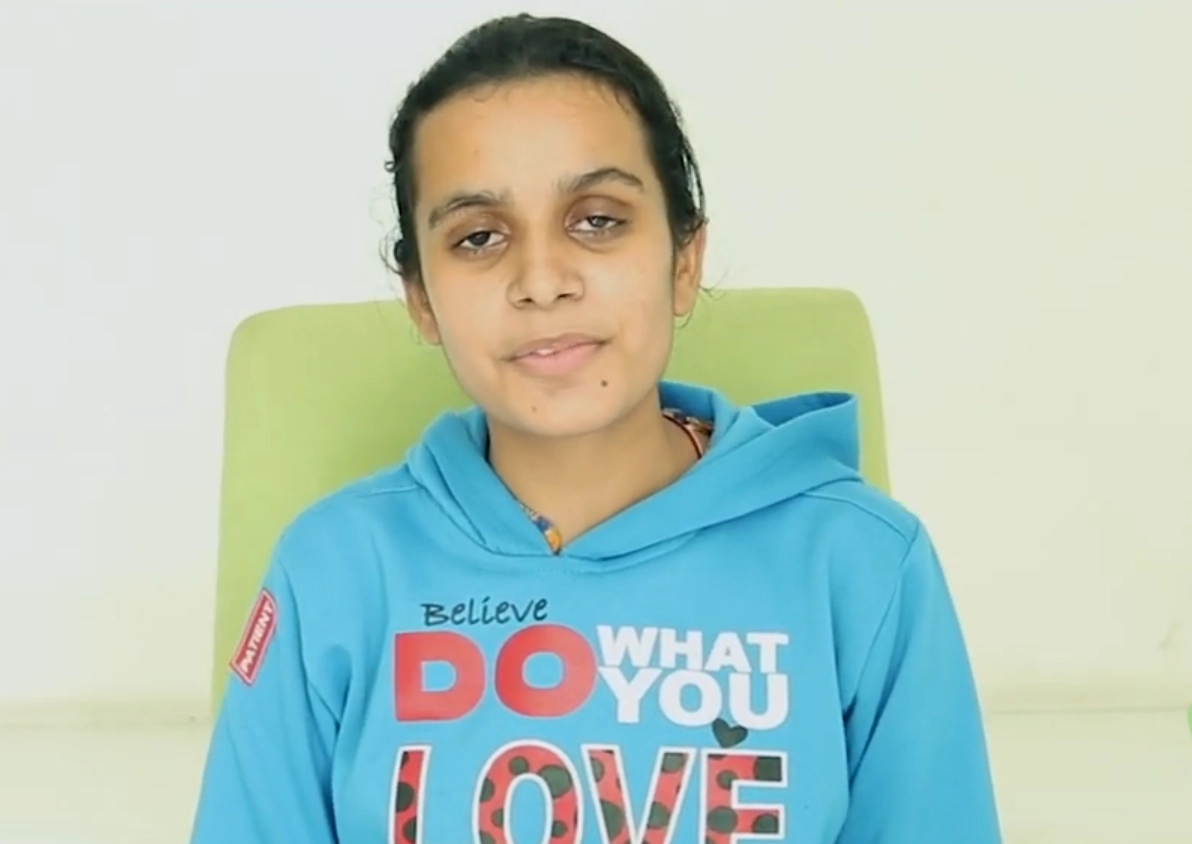
A 8 year old child came to our OPD with a history of accidental spill of Lime particles (Chuna) in Both eyes while playing with a packet of lime kept at home. Parents give a history of trying to wash the particles with tap water and immediately bringing the child to the hospital. Immediately the child was taken up for Eye wash to adequately remove all lime particles stuck to the surface of the eye. Severity of the injury was found to be more in the right eye than the left eye. He was started on intensive eye drops and other medications and was advised very close follow up. Consequently left eye improved with medications. Owing to the severity of injury to the right eye, the child had to undergo an Amniotic Membrane graft in the Right eye under General anesthesia. Hence we were able to save both the eyes and the child could return back to schooling and other daily activities.
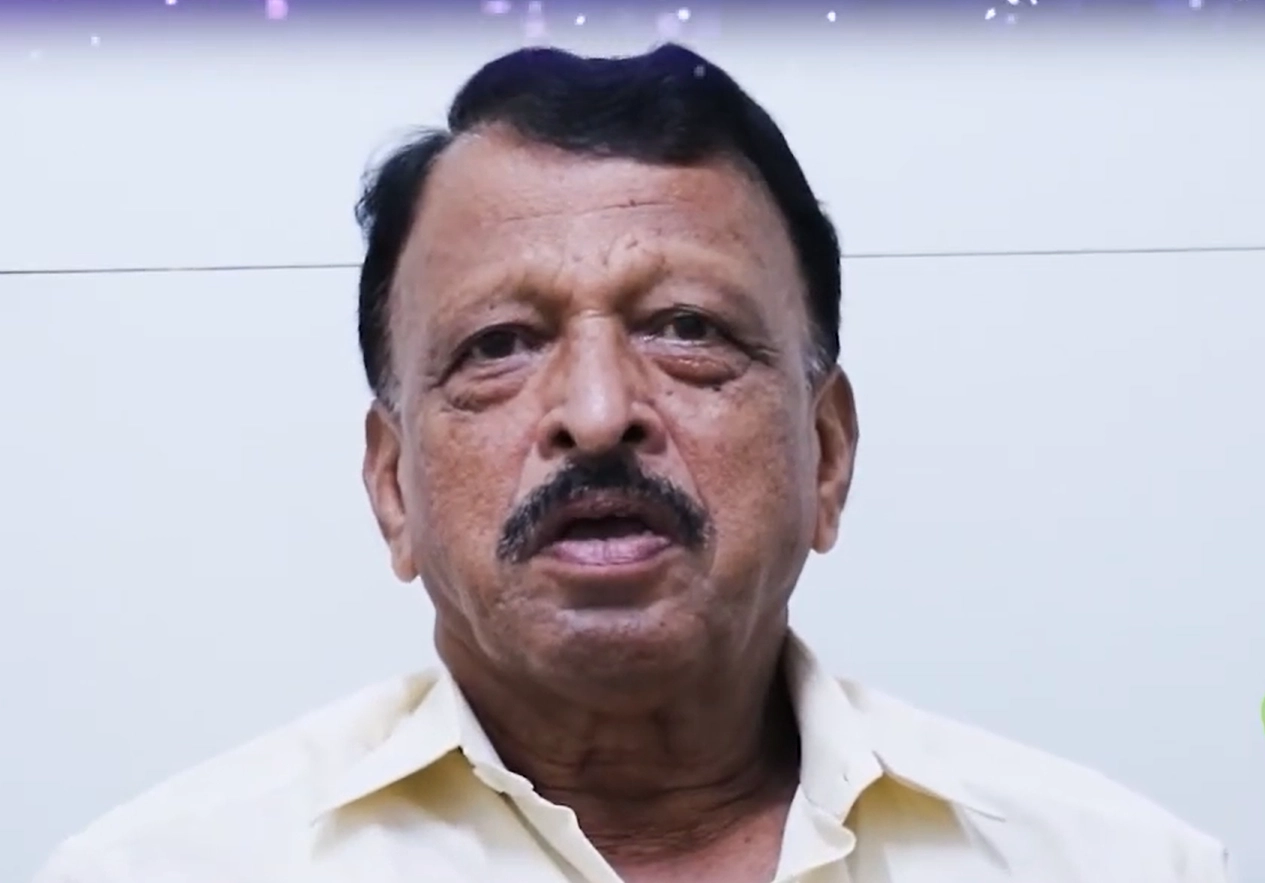
A 60 year old female came to our OPD with the complaints of abnormal growth over the cornea of the left eye. She also gave history of watering and irritation in left eye especially on dust and sunlight exposure. On evaluation, she was found to have a left eye Pterygium for which she underwent Left eye Pterygium excision with Conjunctival auto-graft with Fibrin glue. Post operative recovery was good. Presently patient is asymptomatic and is satisfied with the cosmetic improvement following the excision.
The central portion of the eye in the front is a clear glass like structure (appears black/brown due to underlying tissues) is known as the cornea. Any white appearance/spot on the cornea is abnormal and can result in blindness. It could be due to an infection (ulcer), traumatic scar, age-related degeneration, dystrophy (genetically acquired) or swelling (edema). Treatment prescribed by your ophthalmologist may be medical or surgical, based on the etiology.
Computer vision syndrome or digital eyestrain is a condition that occurs due to looking at computer/mobile or other screens for long periods of time. This occurs due to inability of eye muscles to recover from the strain caused by constant focusing on a near target, and may result in dry eyes. Taking regular breaks (at least for 20 seconds every 20 minutes), placing the monitor at least 25 inches away from eye, reducing monitor brightness, using anti-glare spectacles, blinking frequently and using lubricating eye drops help in reducing symptoms.
Viruses or bacteria can cause an infection of the superficial structures of the eye; characterized by redness, watering and/or defective vision. This is known as conjunctivitis or popularly as Madras eye. The condition usually takes 2-6 weeks to resolve and may be transmitted from one person to another through contact in the initial 1-2 weeks. Using the correct eye medication and hand hygiene ensures appropriate treatment of this condition.
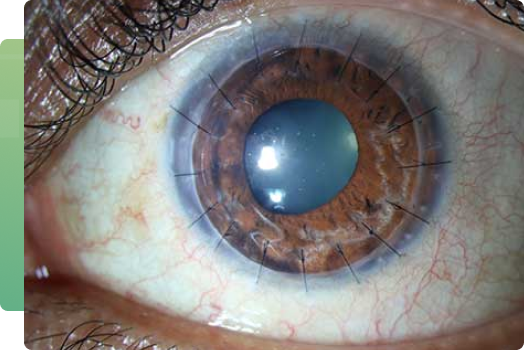
Diseases of the front central portion of the eye known as cornea, can lead to blindness. Those that cannot be treated with medications alone, require a surgical replacement otherwise called corneal transplantation. In this procedure, either the entire or a few layers of clear cornea from a deceased donor is transplanted into the patient’s eye.
Eyes can be donated after death (ideally within 6 hours) by any individual irrespective of age. The cornea and sclera harvested from the donated eye is utilized for transplantation surgery. In no case, is the donation wasted. The only contraindications for utilization for surgery are the presence of certain types of cancers and certain types of infections in the donor, that hold the risk of transmission to the recipient; however they can be utilized for training and research.
A non-seeing blind eye that cannot be visually rehabilitated often may require a cosmetic correction; due to presence of white discoloration, protrusion and squinting. A colored contact lens, corneal tattooing with a black/brown pigment, squint surgery and evisceration with implantation of a prosthetic eye are the available options.
Contact lenses are thin transparent devices that can correct the eye power. They are placed directly on top of the cornea. Regular cleansing of lenses before and after use, restricting usage to 8-9 hours/day, avoiding overnight use, regular replacement and avoiding dust/water from directly touching the lens; are some practices for good hygiene. Immediately remove your contact lenses if you develop redness or pain while wearing them and consult your ophthalmologist.
Keratoconus is a condition characterized by progressive protrusion and thinning of the cornea, which can lead to poor vision, visual distortions and/or whitening of the cornea. The various treatment options available are spectacles, contact lenses, crosslinking (corneal strengthening), intracorneal rings, laser vision correction with crosslinking and implantable collamer lenses. Early recognition and management is the key to a successful outcome.
At Narayana Nethralaya, “Quality of Care” and “Patient Safety” is our priority. Concern for our patients’ well being is at the core of what we do, and what drives us. Five units of Narayana Nethralaya are NABH Accredited – the highest national recognition for quality in patient care and safety. Our refractive surgeons help patients make an informed treatment choice on the type of treatment and surgery that is best suited for their lifestyle. We have an exclusive counseling team to address any doubts or questions that people may have about Refractive treatment options, procedures, preoperative testing and post refractive surgery recovery.
#121/C Chord Road, 1st ‘R’ Block, Rajaji Nagar, Bangalore -560 010 – India.
# 258/A, Bommasandra, Hosur Road, Bangalore – 560 099 – INDIA.
#1/1, 1st Main Road, Defence Colony, 100ft Road, Indiranagar, Bangalore – 560038
No.63, Next to Royal Meenakshi Mall, Bannerghatta Rd, Hulimavu, Bengaluru, Karnataka 560076
Click to Open in Google Maps
Copyright ©2024. Narayana Nethralaya.
Designed and Maintained by | KavinTech Corporation