

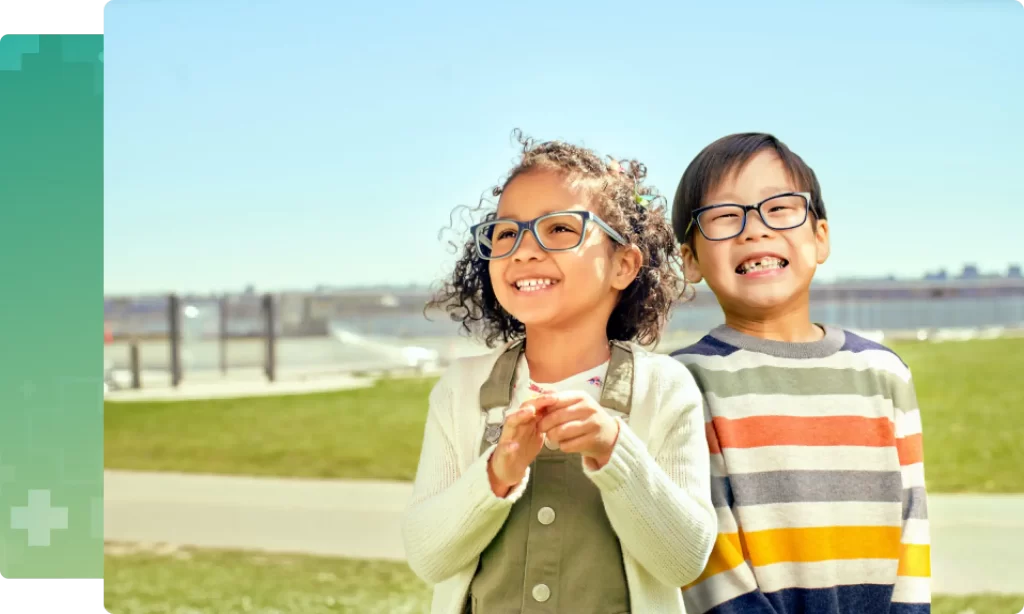
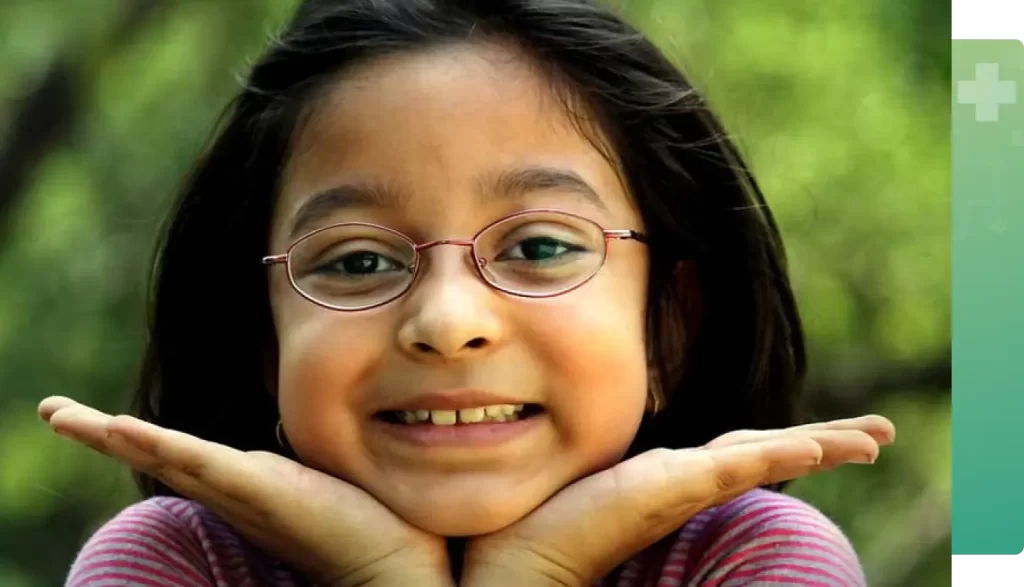
A population based study conducted by Narayana Nethralya showed the prevalence of childhood blindness to be 0.9/1000 children in India.
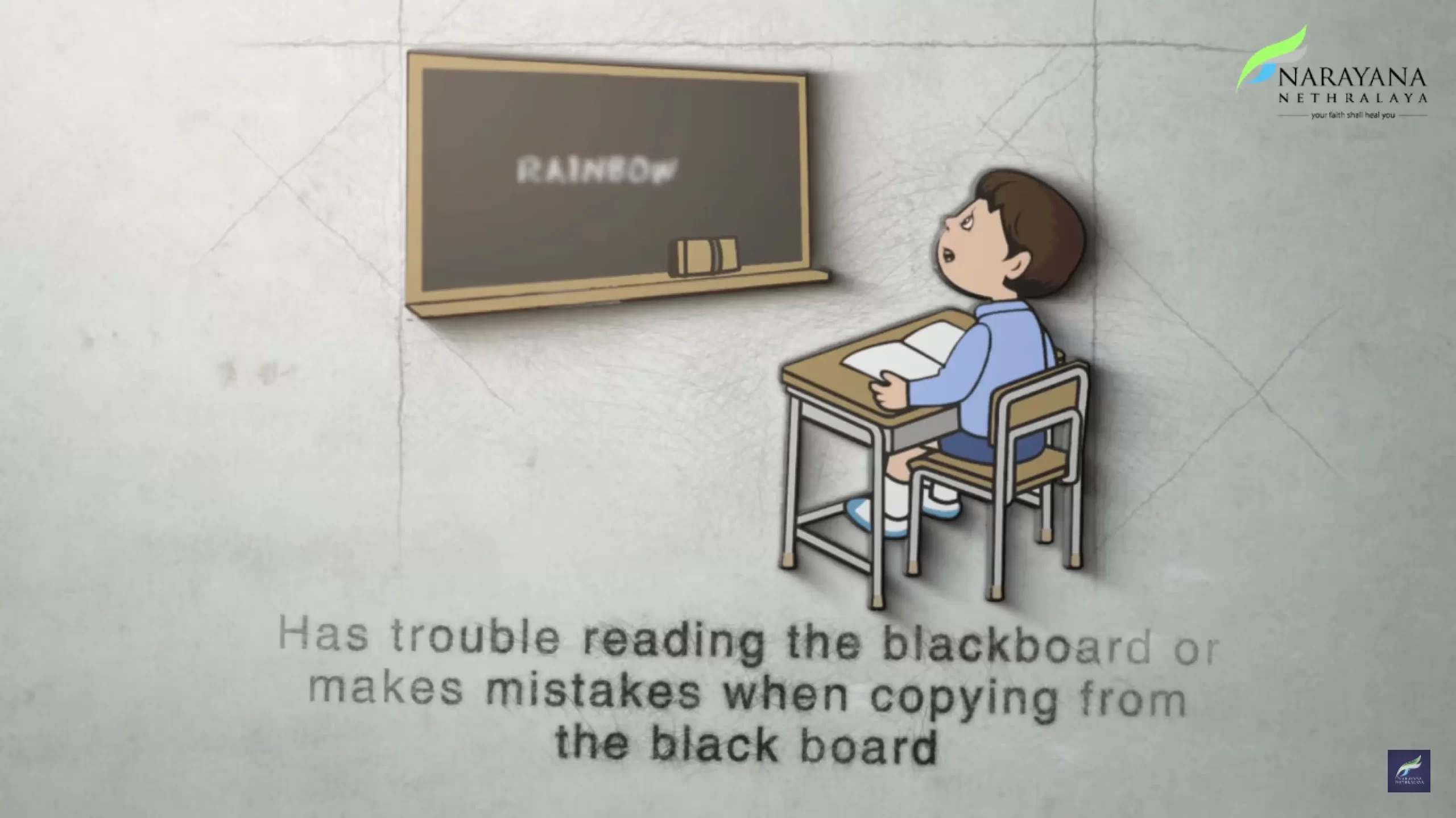
Any of the below symptoms or complaints from your child should not be neglected. Some eye conditions and diseases are hereditary and can affect your child as well. Consult your child’s doctor or an ophthalmologist at the earliest for early detection and treatment of eye disorders.
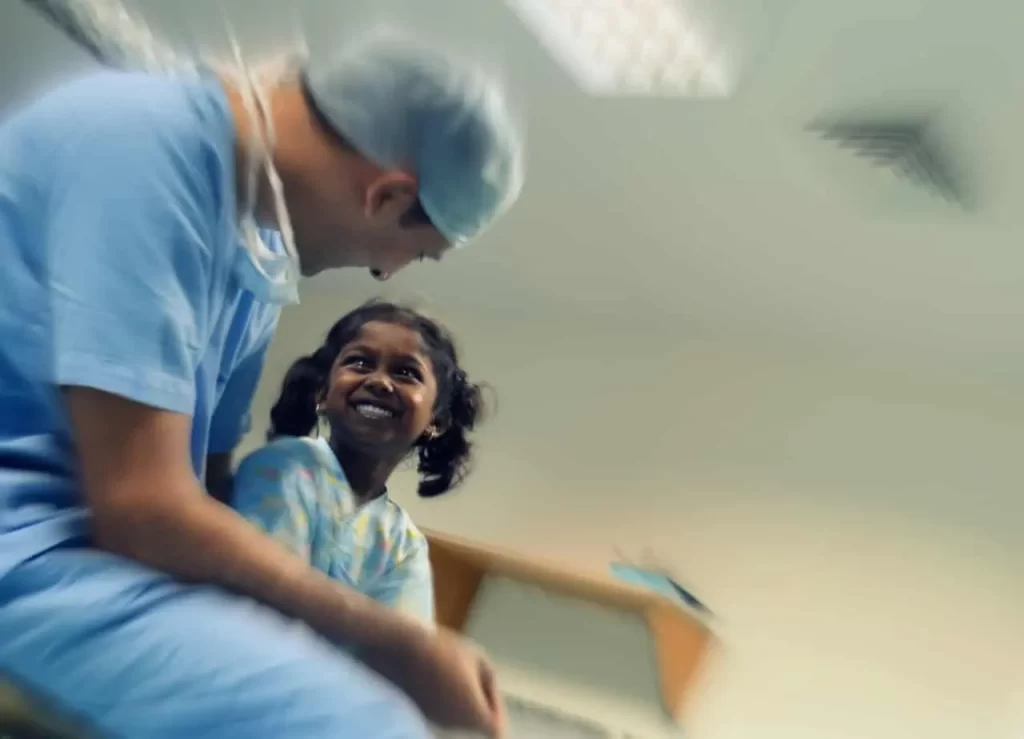
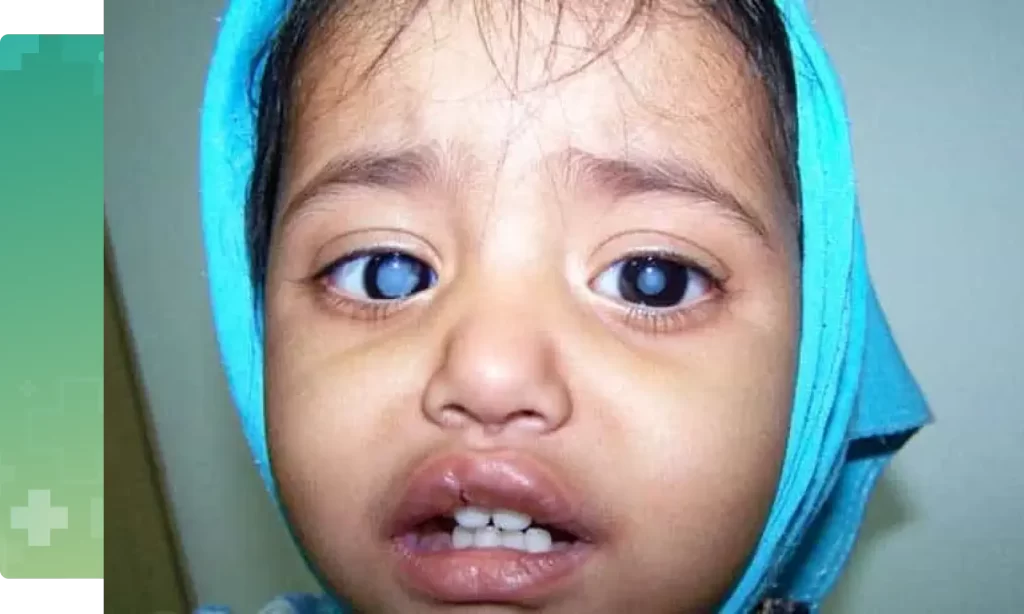
Cataract is defined as any opacity of the crystalline lens of the eye, which causes reduced visual acuity. Cataract in children may be congenital or acquired, unilateral or bilateral and in most cases, is treatable. Although it is rare, childhood cataract is one of the most important causes of blindness and severe visual impairment in children and is responsible for 12–40% of pediatric blindness in India.
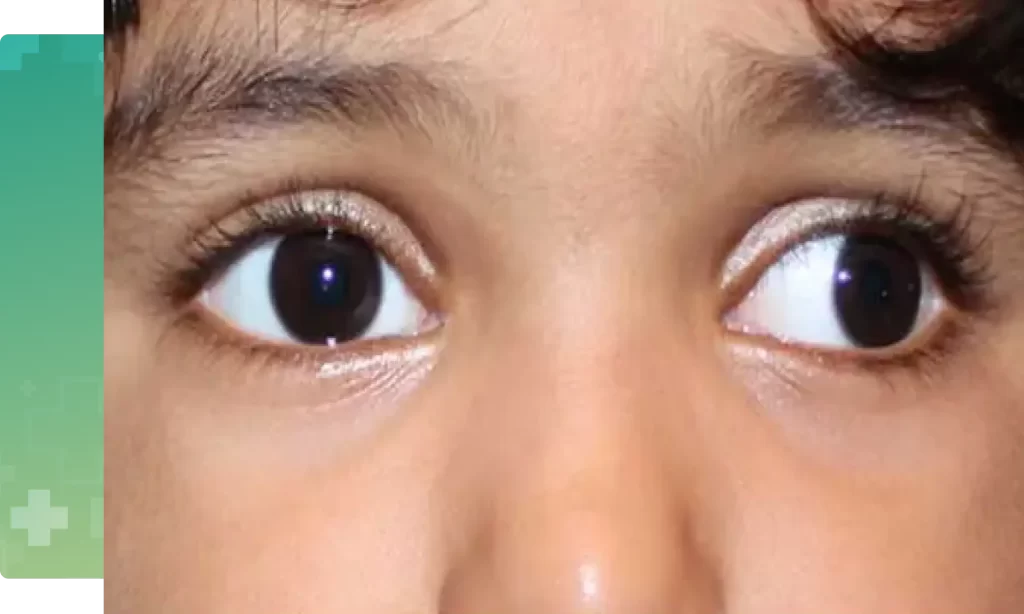
Squint is said to occur when there is misalignment of the eyes and each eye points in different directions. One of the eye may be turned inwards, outwards or upwards or downwards. Squint can occur in childhood or later in adulthood. But there are plenty of differences between squint in a child and an adult. The most important difference being squinting in children can lead to decrease in vision in the squinting eye (LAZY EYE or AMBLYOPIA)
Approximately 24% of childhood blindness in India is attributable to retinal causes. The growing numbers of premature infants surviving in India today have resulted in an epidemic rise of diseases such as Retinopathy of Prematurity (ROP), a potentially blinding disease caused by abnormal development of retinal blood vessels in premature infants.
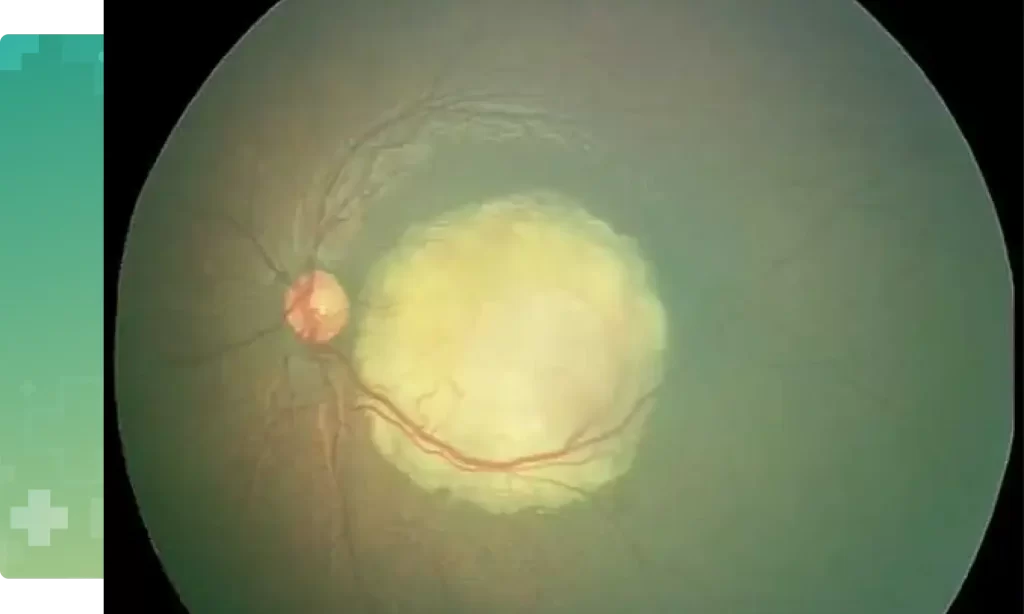
Retinoblastoma is a life threatening eye cancer that affects children. The cancer grows on the sensory layer located inside the eye i.e retina. It is a silent tumour most often detected too late to save the eye. As the cancer progresses it may be observed as a white mass from within the eye. In advance stages, once the cancer spreads outside the eye, it becomes a threat to life. 95% of affected children can be saved using a combination of many techniques – surgery, laser, cryo, chemotherapy and radiation.
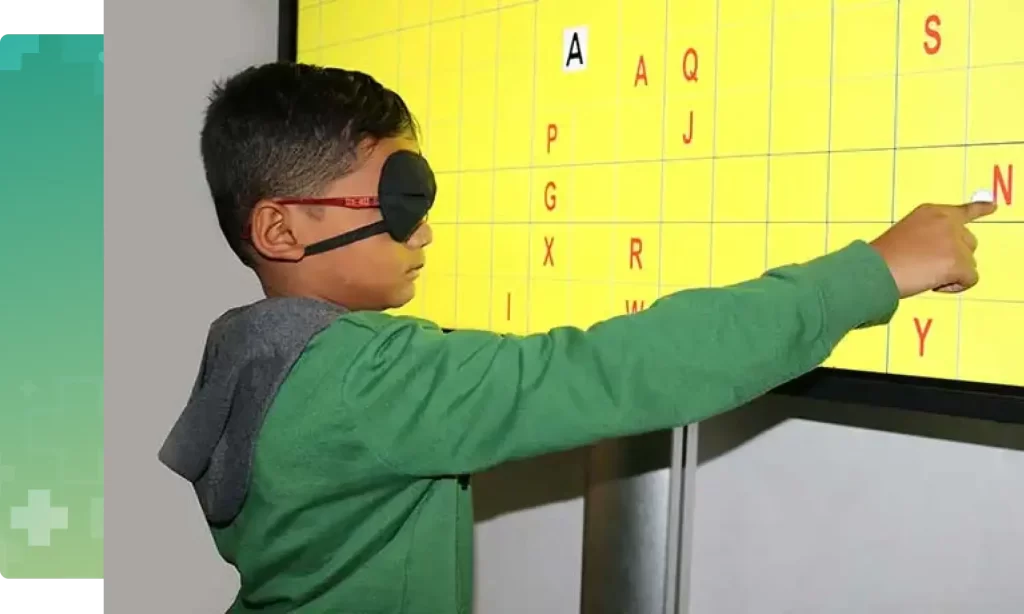
Amblyopia occurs when the vision in one or both eyes is reduced due to inadequate use during childhood and the eye becomes lazy. It is the most common cause of poor vision in childhood and monocular (one eye) impairment among all age groups. Cortical Visual Impairment (CVI) is a decreased visual response due to a neurological problem affecting the visual part of the brain and is the most common cause of permanent visual impairment in children (1-3). It is indicated for children showing abnormal visual responses that cannot be attributed to the eyes themselves.
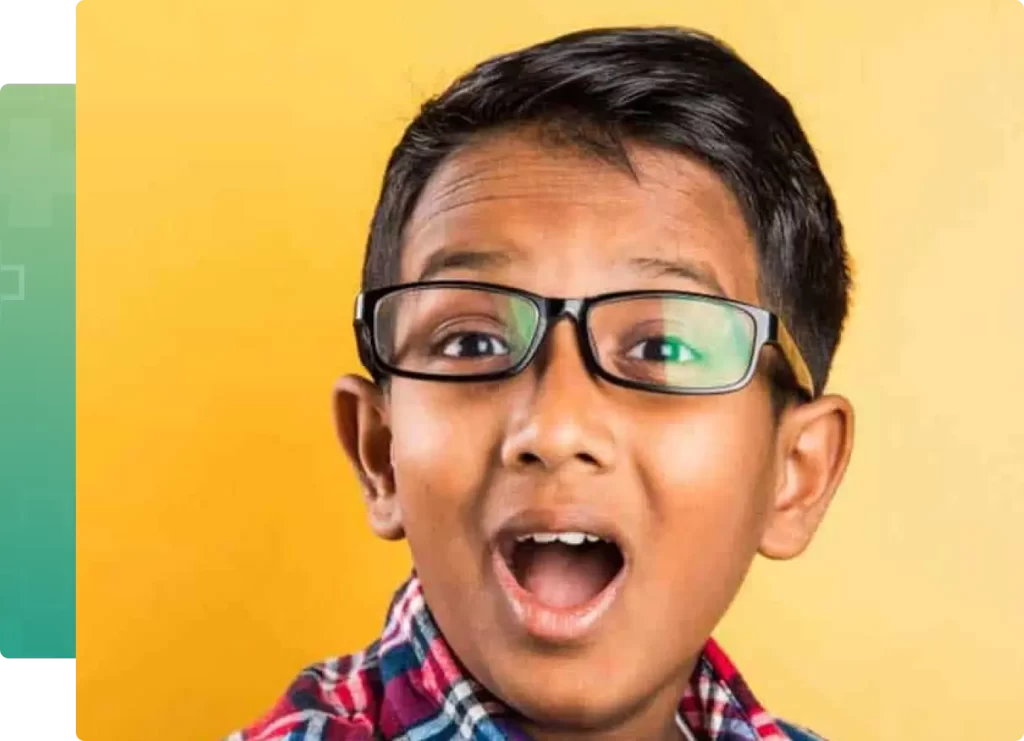
Refractive errors are eye disorders and not diseases. These include myopia, hyperopia and astigmatism. Nearsightedness or myopia is a condition in which near objects are seen clearly, but distant objects are not clear. Farsightedness, or hyperopia is a condition in which distant objects are usually seen clearly, but close ones are not clear. Astigmatism is a condition where the front surface of your eye, the cornea, is irregular in shape that is not perfectly round but more oval preventing the light to focus at one point on the back of your eye, the retina. As a result, the vision would be blurred at all distances. Astigmatism rarely occurs alone and usually accompanies myopia or hyperopia.
Parents of children with blinding eye diseases may feel all alone in their efforts to raise a child with visual disability. They may suffer immense psychological stress because of this. This group hopes to offer the opportunity to talk to others; share common concerns, frustrations, and stories; and find solutions to vision-related difficulties. Aashraya was created with the intention to create a close knit community of parents with similar burdens, worries and hopes. Nothing eases the burdens of one’s life, than knowing that there is someone out there, who has similar problems.
Rehabilitation is “a set of measures that assist individuals who experience, or are likely to experience, disability to achieve and maintain optimal functioning in interaction with their environments. It makes the individual independent to carry out day to day activities by providing assistive devices, adaptations/modifications in the environment and training on various aspects in which the individual finds difficult to overcome.”
A 3 year old girl visited Narayana Nethralaya when the mother noticed whitish discoloration in the right eye. On examination, the vision in the right eye was lesser the left eye. Her examination revealed a dense developmental cataract with an exotropia in the right eye and a lesser dense developmental cataract in the left eye as well. The parents were counseled for the child’s right eye cataract surgery followed by the left eye. The parents were made aware that in children the management of cataract is different from that of adults and would need extensive vision rehabilitation in the form of spectacles, occlusion therapy or vision stimulation exercises post surgery. Our skilled and experienced pediatric eye surgeon successfully removed the cataract and initiated vision rehabilitation at the right time in the post operative period. The child had improvement in the vision in both her eyes and the parents were extremely happy with the outcome as they could see a improvement in the child’s day to day activities following cataract surgery.
An 8 year old boy visited Narayana Nethralaya with the complaints of inability to see the board at school. The parents also complained that the child would sit closer to the television. On examination, the child had less vision for distance in both eyes, the right eye being more affected than the left eye. His examination revealed a refractive error (myopia) in both the eyes, the right eye having a higher refractive error than the left eye. The child was advised constant wear of glasses and to revisit us after 3 months for vision assessment as it was the first time the child was wearing glasses. In the follow up visit, our pediatric ophthalmologist noticed that the vision with glasses in the left eye had improved to near normal but the vision in the right eye had only improved marginally. He was diagnosed with refractive amblyopia in the right eye and initiated occlusion therapy of the left eye in order to improve the vision in the right eye. In the follow up visits, the child showed improvement and was eventually taken off occlusion therapy. The parents were happy to have visited our hospital and were satisfied with the services offered.
A 23 year old girl visited Narayana Nethralaya with the complaints of intermittent outward deviation of the either eye since 4 years. Our strabismologist, during examination noticed an intermittent outward squint of the either eye alternately along with reduced stereopsis ( 3D vision) , which is commonly seen in strabismus or squint. She was then counseled for strabismus surgery to improve her ability to use both eyes together , for better alignment of the eye and also to improve her stereopsis ( 3D vision). Our experienced strabismologist successfully corrected the squint and post operatively her eyes were aligned well and there was no squint. The patient was extremely happy with the results as now there was no squinting happening in her eyes and she also looked cosmetically better and with improvement in her stereopsis over a period of time.
The Pediatric wing dedicated to children is adapted in a child friendly manner to cater to the needs of your child. The area also has a play area and feeding room. All the tests that need to be done for your child are strategically located on the same floor to speeding up the process.
Apart from a dedicated team of pediatric ophthalmologists who can treat common eye problems in children like refractive errors, allergies, squint, conjunctivitis, cataract, stye etc., we also have various other specialties who are capable of handling other less common eye diseases in children
Glaucoma services – for diagnosis and treatment of congenital glaucoma, juvenile glaucoma and secondary glaucoma
Cornea services– for diagnosis and treatment of corneal diseases. We have a specialized Keratoconus clinic armed with state of the art equipment and expert doctors to treat keratoconus in children
Oculoplasty services: for evaluation and treatment of ptosis, orbital masses and orbital trauma
Ocular oncologyservices: for diagnosis and treatment of childhood eye malignancies like retinoblastoma
Electro-physiology department: for diagnosing and prognosticating retinal dystrophies and other retinal diseases using tests like ERG, EOG and VEP
The presence of all the expert doctors under one roof enables the child to get the best of the comprehensive approach that we as doctors have adopted in managing patients here especially children
Several eye conditions can affect children. Signs that indicate a child may have vision problems include:
Any of the above symptoms or complaints from your child should not be neglected. Some eye conditions and diseases are hereditary and can affect your child as well. Consult your child’s doctor or an ophthalmologist at the earliest for early detection and treatment of eye disorders.
While the brain is 90% structurally developed by the time a child turns one year old, the functional development of the brain is a continuous process which also depends on learning and information. In a similar manner, a child’s eyes and the connections between the eye and the brain are also immature and still growing. This growth and maturity can get affected by poor vision due to various causes, and can lead to a condition known as lazy eye or amblyopia, where one of the eyes or less commonly both eyes do not reach its full visual potential. If the cause of lazy eye is not corrected in time, it can lead to permanent loss of vision. Treatment of the cause at a later age cannot restore vision in the lazy eye.
Causes for lazy eye include:
At Narayana Nethralaya, “Quality of Care” and “Patient Safety” is our priority. Concern for our patients’ well being is at the core of what we do, and what drives us. Five units of Narayana Nethralaya are NABH Accredited – the highest national recognition for quality in patient care and safety. Our Pediatric team help patients make an informed treatment choice on the type of treatment and surgery that is best suited for their lifestyle. We have an exclusive counseling team to address any doubts or questions that people may have about Pediatric treatment options, procedures, preoperative testing and post surgery recovery.

#121/C Chord Road, 1st ‘R’ Block, Rajaji Nagar, Bangalore -560 010 – India.
# 258/A, Bommasandra, Hosur Road, Bangalore – 560 099 – INDIA.
#1/1, 1st Main Road, Defence Colony, 100ft Road, Indiranagar, Bangalore – 560038
No.63, Next to Royal Meenakshi Mall, Bannerghatta Rd, Hulimavu, Bengaluru, Karnataka 560076

Click to Open in Google Maps
Click to Open in Google Maps
Click to Open in Google Maps
Click to Open in Google Maps
Click to Open in Google Maps
Click to Open in Google Maps
Click to Open in Google Maps
Click to Open in Google Maps
Click to Open in Google Maps
Click to Open in Google Maps
Copyright ©2024. Narayana Nethralaya.
Designed and Maintained by | KavinTech Corporation