Fellowship in Oculoplastics at Naryana Nethralaya is one of the few and most prestigious in the country. There is a good balance of academics, surgical training as well as research opportunities as a part of this fellowship.
Training Programme:
Qualification: Fellowship opportunity is offered to trainees with minimum qualifications: MS/DNB.
How to apply: The applicants are asked to submit their CV following which an interview is scheduled for further assessment
Duration of fellowship: 24 months
Stipend: 56,000/- per month
For any queries please contact:
fellowship@narayananethralaya.com
+91 9513144766, +91 9481840204
Hands-on training:
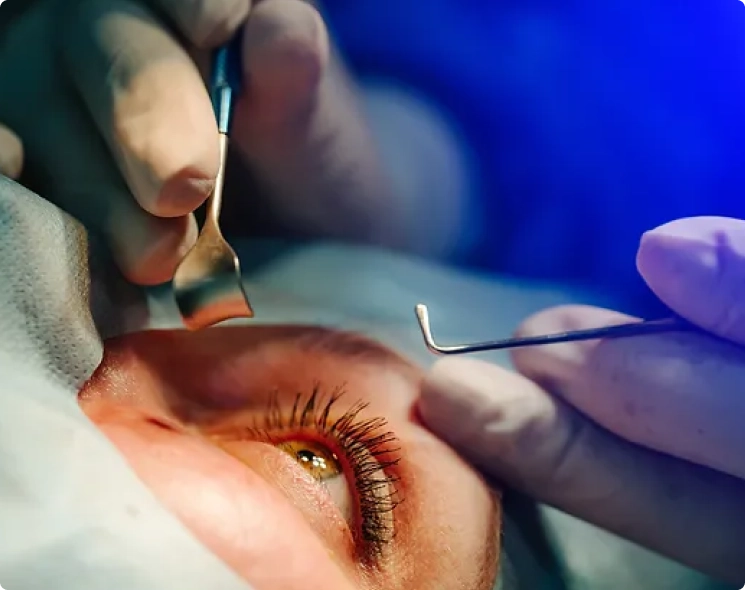
Candidates are exposed to a wide variety of eyelid and orbit conditions as the OPD caters to patients from all across the state. The fellow is expected to actively participate and perform a thorough patient evaluation and present their plan of management to the concerned consultant. Candidates will receive training in surgical procedures such as dacryocystorhinostomy and dacryocystectomy, probing and intubation, excision biopsy, evisceration/enucleation, ptosis correction, entropion and ectropion correction and minor procedures such as tarsorraphy and incision and curettage. OPD procedures such as Botulinum toxin injection may also be observed.
Academics:
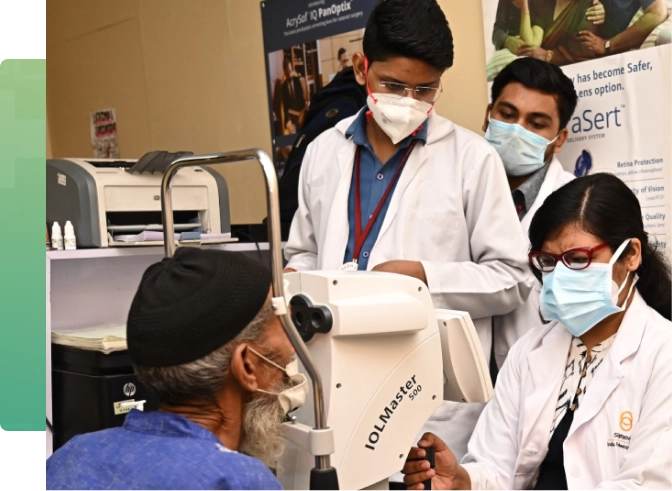
Teaching is in the form of seminars – with case based discussions, topic-wise learning and journal clubs. Teaching is imparted by consultants of the department from all centers, via a video based conference call.
Research and presentations:
Fellows are encouraged to take on research projects and present them at state, national and international conferences.
Instruments – Cornea / Refractive – Topography
Pentacam
Ms39
Sirius
Gallie
Aberrometry
ASOCT
Orbscan
UBM
IVCM
SLP
OPD procedures
Glue BCL
Suture removal
FB removal
CL trial
Dispensing
Surgical training
Fellows also undertake emergency day and night duties which helps them learn management of ophthalmic emergencies
characterized by partial of complete inability to move either one or both the eyes due to central and peripheral nervous system diseases like myasthenia gravis and ocular motor cranial nerve palsies following trauma (injury), tumours, ischemia due to systemic diseases like hypertension or diabetes mellitus.
Demyelination disorders
affecting the visual pathway formed by the optic nerve, optic chiasma, optic tract and optic radiations.
Tumours
like pituitary adenoma, craniopharyngioma, meningioma causing compressive optic neuropathy which cause a direct pressure on the optic nerve and other tumours of the brain affecting the visual pathway and cause of raised intracranial pressure.
Other conditions causing raised intracranial pressure
such as idiopathic intracranial hypertension, and cerebral venous thrombosis, which can result in permanent and profound loss of vision in the long term
Cerebrovascular disorders
with visual loss, transient ischemic attacks with transient visual loss
International Applicants
Can opt for short term observational or long term fellowship.
Contact person: Ms. Cynthia Roy (Head of Department – International)
E-mail: cynthia@narayananethralaya.com