At work, play or to look your best, Femtosecond Lasik may just be what you are looking for
Femtosecond LASIK (Laser Assisted in Situ Keratomileusis) is the most commonly performed refractive procedure which involves reshaping of cornea with laser. Also called Bladeless LASIK or Blade free LASIK, your surgeon here uses two types of lasers – first, an ultra-fast femtosecond laser to create a thin flap on the surface of the eye, a “door”, through which he thenuses an excimer laser to reshape the underlying corneal tissue to correct your vision. This flap or the door, is then returned to its original position, and your eyes heal on their own.
It is considered to be the most effective, precise, predictable, safe and patient friendlyoption for laser vision correction. It is suitable for patients with mild to moderate amount of myopia, hyperopia and astigmatism.
We, at Narayana Nethralaya, pride ourselves with having one of the largest Refractive suites in Asia and host the following Lasik platforms and procedures
Wavelight Refractive Suite Lasik – Contoura - Alcon
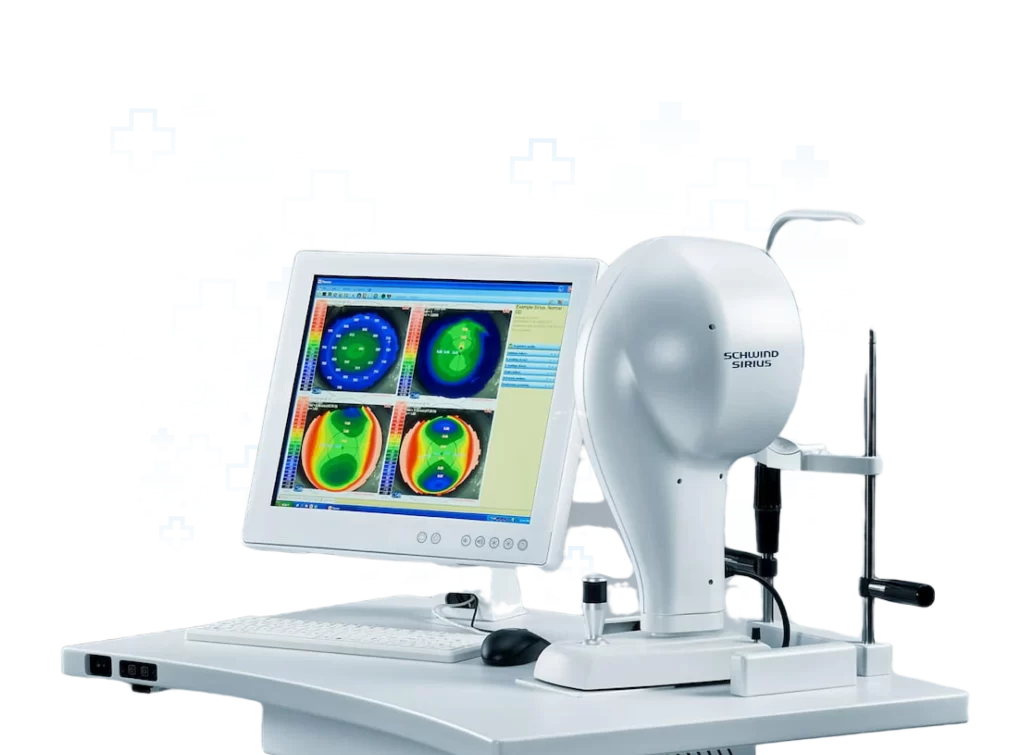
Amaris - Schwind
Zyoptix– Bausch + Lomb
Intralase Femtosecond Laser - Johnson & Johnson Vision
The Femto-LASIK procedure
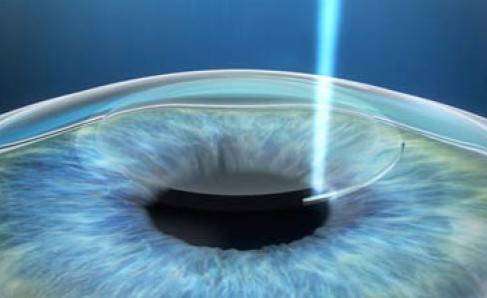
The femtosecond laser is used for the initial part of the LASIK surgery when the corneal flap is prepared. The surgeon then switches to an excimer laser to achieve the corneal ablation and correct the visual disorder.
A special contact glass is placed on the eye for the laser pulses to pass through and focus into the cornea. The surgeon uses a microscope to follow the progress of flap creation.
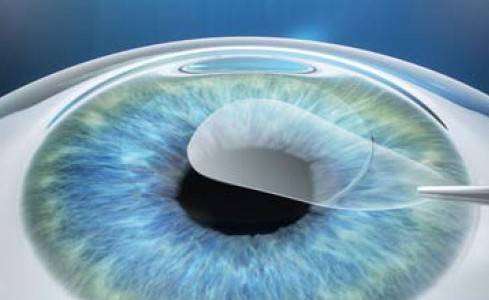
After the cut is completed, the contact glass is removed. Using a fine instrument, the flap is folded back exposing the stromal bed of the cornea.
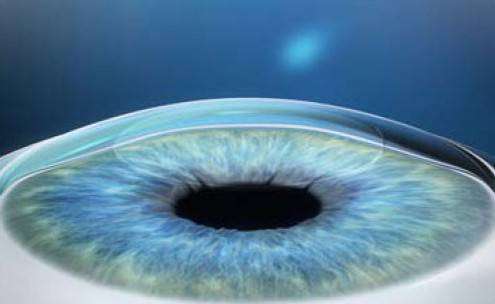
At the point, the excimer laser is used for the corneal ablation to correct the nearsightedness, farsightedness and/or astigmatism. When the ablation is completed, the flap is folded back and it adheres tightly to the stromal bed without the need for sutures.
Now Eye Know Videos
Srii Murali "Roaring Star" | Contoura LASIK Laser Surgery Experience at Narayana Nethralaya
Narayana Nethralaya is highly recommended for vision correction surgery | English
You can get specs-free in 10 minutes at Narayana Nethralaya Hospital! | ICL Eye Surgery | English
Contoura Vision Specs-Removal Surgery | English
NN offers various refractive surgery options for permanent vision correction | Hindi
Advances in specs removal technology have greatly improved vision for millions of people worldwide.
Eligibility for Refractive Eye Surgery | NN Patient Diaries
FAQ
Frequently Asked Questions
What is Lasik? What is Lasik Eye Surgery?
LASIK stands for Laser in situ keratomeliusis, which is a keratorefractive surgery to correct your refractive error.
Can you drive after Lasik?
Yes, you can definitely drive after LASIK.
What are the types of lasik surgery?
Based on your, refractive error, corneal curavature and thickness the type of LASIK best suited for your eye is chosen amongst:
Wavefront optomised LASIK
Wavefront Guided LASIK
Contoura (Topoguided) LASIK
Please provide more details about lasik surgery aftercare?
LASIK is an outpatient procedure, you can go home the same day. Post-operative drops are prescribe an must be used diligently. Eye rubbing ,strenuous exercises and coughing should be avoided post surgery.
What is lasik surgery recovery time?
The recovery starts from day 1 and is complete by the end of 1 month post surgery.
What are the lasik surgery side effects?
Some patients may experience dryness in the eye and glare post surgery.
Where can we watch lasik surgery videos for more information?
Visit our website and YouTube channel
Is lasik surgery painful?
Most patients do not experience any pain during LASIK surgery.
What are the risks involved with lasik surgery?
Lasik surgery risks range from flap loss to infections. However these complications are extremely rare in the hands of best of refractive surgeons.
What is the lasik surgery procedure?
Same as contoura.
Which lasik treatments are available at NN?
Wavefront optomised LASIK
Wavefront Guided LASIK
Contoura (Topoguided) LASIK
which lasik surgery is best?
Your refractive surgeon will decide the best suited procedure for you based on your corneal thickness and curvatural profile.