Refractive
Surgery

each finger is unique so is every eye.

Did you know 43% of Visual impairments are attributed to Refractive errors and last year, 750,000 people opted for Laser Vision Correction with a success rate of 96-98%
A Refractive error is a condition in which the parallel rays of light coming from infinity do not come to a focus in the light sensitive layer of the retina. This may be caused due to changes in the length of the eyeball (longer or shorter), changes in the shape of the cornea, or age related stiffness of the lens.

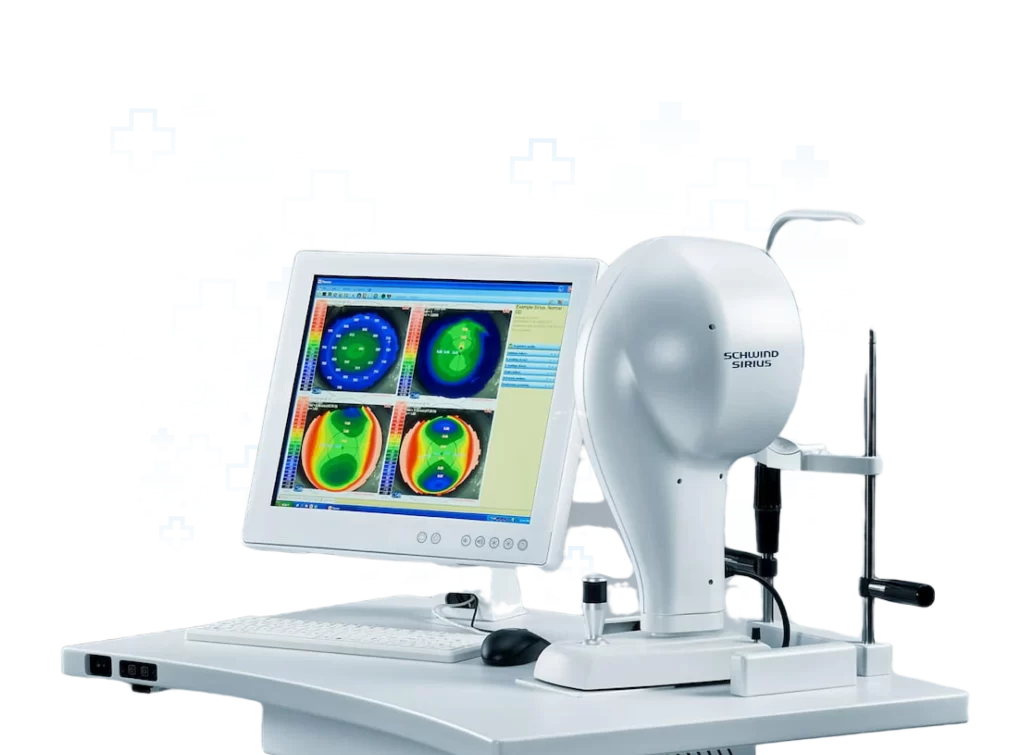
Custom laser vision correction at the hands of experienced and world renowned surgeons, with advanced diagnostics equipment, detailed preoperative assessment, a state-of-the-art OT complex, and meticulous postoperative care makes Narayana Nethralaya the best choice for your laser eye surgery. We have over 15 years of experience in managing complex, irregular corneas, and complicated cases.

Refractive surgery is an elective cosmetic surgery which is designed to correct the refractive error enabling the patient to lead a spectacle free life. It is generally carried out as an outpatient procedure and it takes 5-10 minutes per eye.

Narayana Nethralaya offers various modern approaches to corrective eye surgery that range from CONTOURA, LASIK, SMILE, ICL and Trans PRK, where laser energies are used to reshape the curvature of the cornea, to surgical insertion of artificial lenses to correct eyesight.

Myopia normalMyopia

Myopia (Nearsightedness)Hyperopia

Light rays bend more than they should, so they focus in front of the retina. Distant objects seem blurred.

Hyperopia normalHyperopia

Hyperopia (Farsightedness)

Light rays bend less than they should, so they focus behind the retina. Close objects seem blurred.

Astigmatism normalAstigmatism

Astigmatism

Light rays bend at different angles, so they’re not all focused at the same spot. All objects seem blurred.

Presbyopia normalPresbyopia Presbyopia

Presbyopia

Presbyopia is a condition where the eyes gradually lose the ability to see near objects clearly. A part of the normal aging process of the eye, the term “presbyopia” is derived from the Greek word “presbys” which means “old eye” or “elderly vision”. It affects most adults over the age of 40.

They are your eyes – they deserve special treatment

Lets now understand the various treatment options.

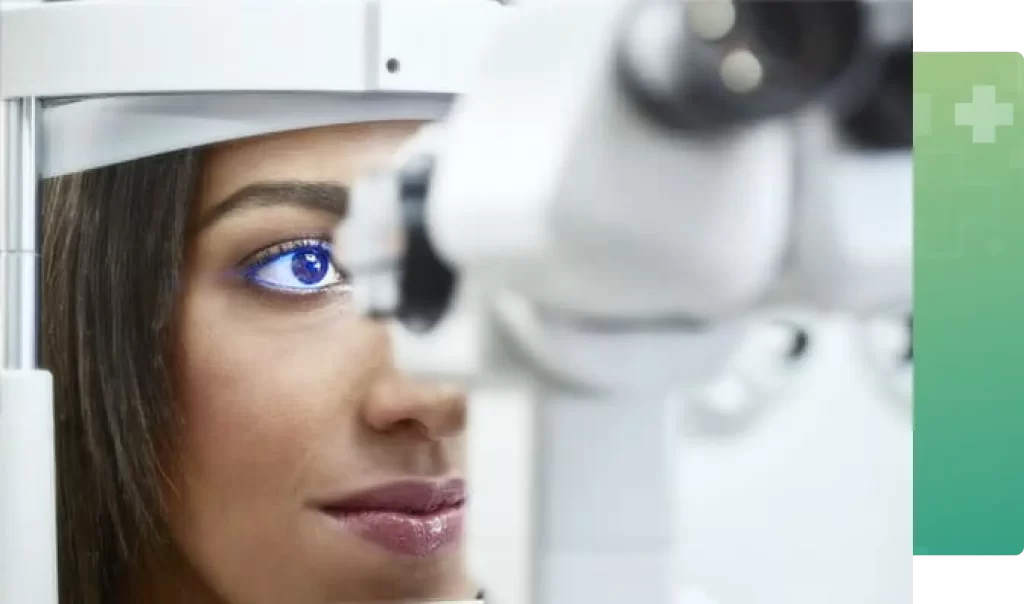
In Laser vision correction, the surgeon, using a laser beam, reshapes the cornea which is the clear, protective coating on the surface of the eye. The procedure is quick, safe and virtually painless, and the reshaped eyes will be able to focus more accurately resulting in vastly improved vision.

Our surgeons will help you decide if it is right for you, and, if so, which procedure is best suited for your eyes.

A 24-year old male patient visited Narayana Nethralaya as he wanted to get rid of his glasses. He had a refractive error of -3:00DS in both eyes. He underwent a detailed refraction, followed by a complete ocular examination, corneal topography and dilated retinal examination. He was then scheduled for LASIK in both eyes. Post LASIK on day 1 his vision was 6/6 without glasses.

A 27- year old female patient visited Narayana Nethralaya as she wanted to stop wearing her contact lens and her quality of vision was very poor with glasses. She had visited multiple centres who had told her, refractive procedure cannot be done for her as she had refractive error of -17DS right eye and -15DS left eye. She was counselled for Phakic IOL post which she was able to see without glasses/contact lens.

Now Eye Know Videos

FAQ

Pre Operative Instructions for Cataract Surgery FAQs

There are various surgical procedures for correcting your eye’s focusing ability by reshaping the cornea, or clear front part of your eye. The most widely performed type of refractive surgery are LASIK where the doctor makes a flap in the outer layer of the cornea to get access to the tissue underneath and a laser is used to reshape the cornea, PRK where the laser ablation is done without flap creation and ICL, which involves implanting a lens inside your eye.

No, there are other types of Refractive surgeries also, though LASIK is the most common.

Refractive surgeries are one of the safest elective surgical procedures available today and various research estimate the rate of complications from refractive surgery to be less than 1 percent.

Over 80% of people who undergo refractive surgery no longer need to use glasses or contact lens post the surgery for most of their activities.

After a thorough examination and discussion with your ophthalmologist, you can decide on the procedure or surgery best suited for your eyes and vision needs. There is no universally-accepted, best method for correcting refractive errors.

The cost of your refractive surgery will depend on the procedure or type of surgery that you decide on after discussing your lifestyle and vision needs with your ophthalmologist.

Our patient care philosophy

At Narayana Nethralaya, “Quality of Care” and “Patient Safety” is our priority.  Concern for our patients’ well being is at the core of what we do, and what drives us. Five units of Narayana Nethralaya are NABH Accredited – the highest national recognition for quality in patient care and safety. Our refractive surgeons help patients make an informed treatment choice on the type of treatment and surgery that is best suited for their lifestyle. We have an exclusive counseling team to address any doubts or questions that people may have about Refractive treatment options, procedures, preoperative testing and post refractive surgery recovery.